 |
Already a member? Secure Login
|

- Ideal Weight Calculator
- Waist-to-Hip Ratio Calculator
- BMI Calculator
- Frame Size Calculator
- Target Heart Rate Calculator

- Good Fast Food
- Recipe Makeovers
- Meal Plans
- Nutrient Facts
- Food Label Claims
- Estimating Serving Sizes



Calcium-rich Foods
QUESTION:
I don't like milk. What are some other good sources of calcium?
I don't like milk. What are some other good sources of calcium?
ANSWER:
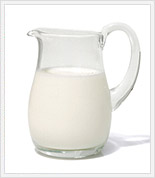 Even if the "Got Milk?" ads haven't won over your taste buds, there are still many foods that you can choose from to get your recommended daily amounts of calcium.
Other dairy products, such as cheese and yogurt, are very good calcium choices. Look for low-fat or non-fat options. Soymilk and other soybean products, such as tofu, can also be excellent sources of calcium. Make sure you buy the calcium-fortified varieties, and in the case of soymilks, always shake them well prior to pouring because the calcium can settle at the bottom.
Even though you don't like milk, consider adding powdered dried milk to other items such as baked goods, soups, casseroles and fruit smoothies. This can significantly boost both the protein and calcium content of these foods.
Start your morning with a glass of calcium fortified orange juice and you've consumed about 1/3 of your daily calcium needs. Sprinkle sesame seeds on salads or stir fry meals, or spread tahini (ground sesame seeds) on toast. Dark leafy greens provide a whole array of important nutrients, including calcium! Collards, kale, mustard and turnip greens are especially high in calcium. If you truly like variety, figs and sea vegetables such as dulse and kombu also contain calcium!
If you have a question about whether a food is a good source of calcium, look at the food label. If the "percent Daily Value" (%DV) of calcium is 20 percent or more per serving, the food is high in calcium. If the %DV is between 10 and 19 percent, the food is a good source of calcium. A higher percentage means the food contains more calcium.
Although food is the ideal way to meet your calcium needs, calcium supplements should be used if you are not meeting your needs through food intake. Calcium chews are widely available now, taste good, and are an easy way to compliment your calcium intake from food. For the best absorption, take them between meals, in 500 mg doses or less, and do not take them at the same time as iron supplements.
In summary, good food sources of calcium include:
- Cheese
- Yogurt
- Calcium fortified Soymilk
- Tofu made with calcium sulfate
- Instant nonfat dry milk (add to soups, casseroles, smoothies, baked goods)
- Calcium fortified Orange Juice
- Collards, Kale, Mustard or Turnip Greens
- Figs|Sardines with bones
- Sesame Seeds and Sesame Tahini
| Related Articles: |
 |
 |
Our expert, Dr. Sharon E. Griffin, holds a B.S., M.S., and Ph.D. in the areas of exercise science/physiology. She also holds a second M.S. degree in Nutrition and is a licensed nutritionist and an ACSM certified health and fitness instructor.
© 2024 MyFoodDiary.com. All Rights Reserved.