back to blog

Healthy Snack Ideas

healthy snack ideas

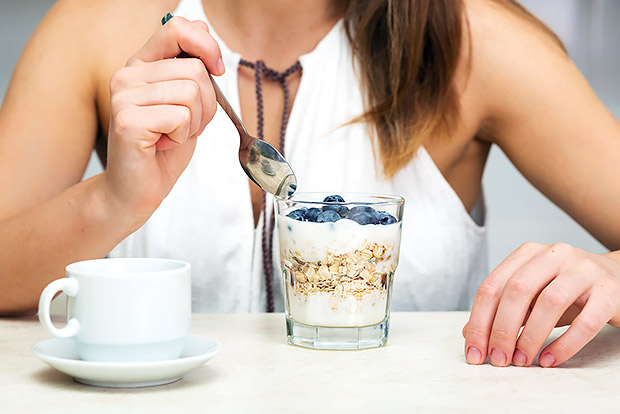
Nutrition professionals recommend that snacks contain about 200 calories. Combining complex carbohydrates and heart-healthy fat with protein gives snacks the staying power to keep you energized. A great way to create a balanced snack is to pick a healthy food and pair it with nutrient-packed dips or toppings. Below are a few examples of healthy dippers and spreads or toppings to enjoy with them.

Dippers

Food Item Serving Size Calories
Whole Wheat Crackers (no trans-fats) 5 crackers 60
Celery Sticks 2 large stalks 20
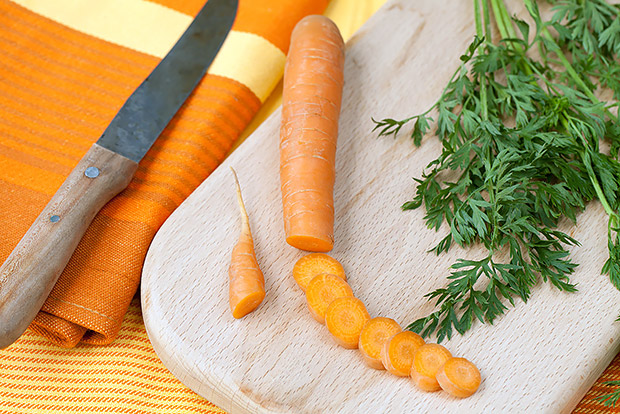
Carrots 1 medium 36
Green/Red/Yellow Bell Pepper Strips 1 cup 18 - 23
Whole Wheat Pita Chips 11 chips 130
Sliced Apples or Pears 1 medium 80 - 100
Whole Wheat Tortilla 1, 8-inch 130
Cucumber Slices 1 cup 14

Spreads / Toppings

Food Item Serving Size Calories
Hummus 4 Tbsp 100
Low-fat Plain Yogurt mixed with Salsa ½ cup 75
Low-fat Yogurt (plain or mixed with fruit) ½ cup 75-110
Natural Peanut Butter (no trans-fat) 2 Tbsp 200
Mashed avocado ½ cup 184
Low-fat Cheese 1 oz 50 - 90
Unsweetened Apple Sauce ½ cup 50
Low-fat Cottage Cheese ½ cup 90

Note: Calories are provided as an estimate and will vary slightly by brand.

4 Things to Know About Trans Fatty Acids

things to know about trans fats

Trans fatty acids are formed when oils are exposed to high heat and high pressure in the presence of hydrogen gas, a process called hydrogenation. This makes an unsaturated fat more solid at room temperature, which extends its shelf life and improves texture in processed foods.

Are trans fatty acids unhealthy?

It was once thought that these fats were better than saturated fats because they were unsaturated. We now know that trans fats increase LDL cholesterol (bad cholesterol) and they decrease HDL cholesterol (good cholesterol), a dangerous combination that increases risk for heart disease.

What foods contain trans fatty acids?

Trans fat can be identified in foods as partially hydrogenated oils. Any product that lists partially hydrogenated oil on the ingredients list will contain trans fatty acids. The good news is that due to increased awareness and nutrition labeling laws, fewer foods contain trans fat, and intake has decreased in recent years.

Common foods that contain trans fatty acids are:

  • Commercial baked goods (cakes, cookies, doughnuts)
  • Fried foods (French fries, fish sticks, fried chicken)
  • Margarine and vegetable shortenings
  • Chips and crackers

Small amounts of trans fat occur naturally in meat and dairy products. According to The Mayo Clinic, the trans fats in processed food formed through hydrogenation appear to be more harmful than the small amounts of naturally occurring trans fat.

How much trans fat can I eat?

The Institute of Medicine recommends that trans fat intake be as low as possible. The American Heart Association recommends that trans fat be 1% or less of your total daily calorie intake.

Should I rely on food labels for trans fat information?

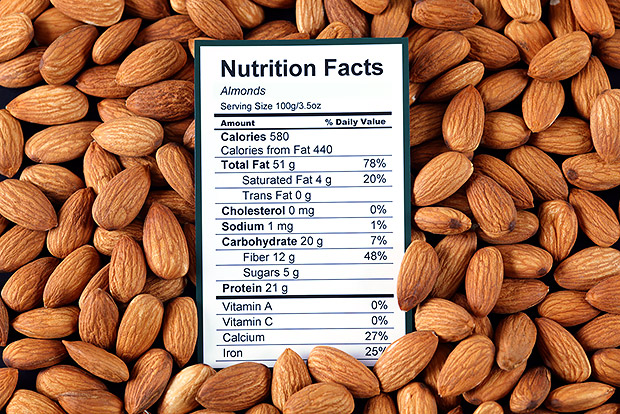
Since 2006, the Food and Drug Administration has required food manufacturers to list trans fat on the Nutrition Facts label. Unfortunately, if the food contains fewer than 0.5 grams per serving, the FDA allows manufacturers to say that the item contains 0 grams of trans fat. These small amounts that slip through the cracks add up. The only way to play it safe is to read the ingredients and exclude foods that contain hydrogenated oils. Better yet, choose minimally processed foods for the bulk of your diet, such as fresh fruits and vegetables, whole grains and cereals, beans and legumes, low-fat or fat-free dairy products, and nuts and seeds.

8 Spring Fruits and Vegetables to Eat Now

spring fruits and veggies

Keep your eye out for these nutritious fruits and vegetables as they hit their peak during the spring growing season.

Asparagus

Asparagus contains a prebiotic called inulin that aids digestive health by promoting the growth of good bacteria. It is also loaded with anti-inflammatory phytonutrients, and vitamins and minerals that act as antioxidants.

Cooking tip: Place 1 pound of asparagus in a single layer on a baking sheet. Drizzle with olive oil and sprinkle with salt and pepper. Broil on low for 10 minutes. Serve warm.

Artichokes

Artichokes provide folate, fiber, vitamin C, and vitamin K. They contain the disease fighting flavonoids quercetin and anthocyanins. Artichokes are a source of lutein, which promotes heart health, and cynarin and silymarin, which have been linked to liver health.

Cooking tip: Cut off the stem of a fresh artichoke and remove the outer leaves. Cut off the top and trim any spiked points on the remaining leaves. Steam the artichoke for 20 to 30 minutes. Enjoy the tender, fleshy part of the leaves with your favorite dip. Chop up the remaining cooked artichoke heart and eat it on salad or use it as a pizza topping.

Beets

Beets contain fiber, potassium, and folate. Purple and red varieties also contain betacyanin, a phytochemical found to protect against cancer and reduce the inflammation linked to heart disease.

Cooking tip: Trim the stems of five or six small beets and scrub them clean. Drizzle them with olive oil and wrap them in aluminum foil, creating a packet. Roast for 25-35 minutes at 400 degrees Fahrenheit, or until the beets are tender. Slice and serve on a fresh, green salad with goat cheese.

Garlic Scapes

Garlic scapes grow from a garlic bulb to form a long green, curled stem above the ground. Like garlic, the scapes are part of the allium vegetable family. These foods contain sulfur compounds that act as antioxidants to fight disease.

Cooking tip: Thinly slice garlic scapes and use them in any dish that you would use scallions. Toss them into stir-fry or noodle dishes, and add them to omelets or a quiche. They can also be blended into basil pesto.

Peas

Spring peas provide manganese, folic acid, fiber, and vitamin B6. They have been recognized as a source of alpha-linolenic acid, a type of omega-3 fatty acid. Peas also contain coumestrol, a phytochemical that has been linked to a reduced risk for stomach cancer.

Cooking tip: Sweet spring peas can be eaten raw as a salad topping. They can also be steamed until soft and mashed like potatoes.

Radishes

Like kale and Brussels sprouts, radishes belong to the family of cruciferous vegetables. These foods contain glucosinolates, which have been found to protect against cancer. Radishes are also a source of vitamin C and fiber.

Cooking tip: Serve quartered radishes with fresh green salads, thinly slice them to use as a sandwich topping, or dice them and add to coleslaw.

Spinach

This leafy green is a source of vitamin C and vitamin K. It provides the carotenoids beta-carotene, lutein, and zeaxanthin, which act as antioxidants and also promote healthy vision. Spinach has been found to protect against aggressive forms of prostate cancer.

Cooking tip: Gently saute 2 cups of spinach in a skillet with 1 teaspoon of olive oil for 2 to 3 minutes. Season with your favorite herbs and spices and eat as a side dish, or add it to lasagna, quiche, or cooked grains like quinoa.

Strawberries

Strawberries provide vitamin C, folate, and fiber. They contain over 18 phytonutrients, which have been linked to the prevention of cardiovascular disease and cancers. Strawberries have also been found to aid in blood sugar control.

Cooking tip: Make a fruit salsa with ½ cup each of chopped strawberries, chopped pineapple, and chopped kiwi. Stir in 1 teaspoon of finely chopped fresh mint. Enjoy with cinnamon pita chips.

Soluble and Insoluble Fiber: What’s the Difference?

Soluble and Insoluble Fiber

While neither soluble nor insoluble fiber are digested or absorbed, each type provides health benefits.

Types of Fiber

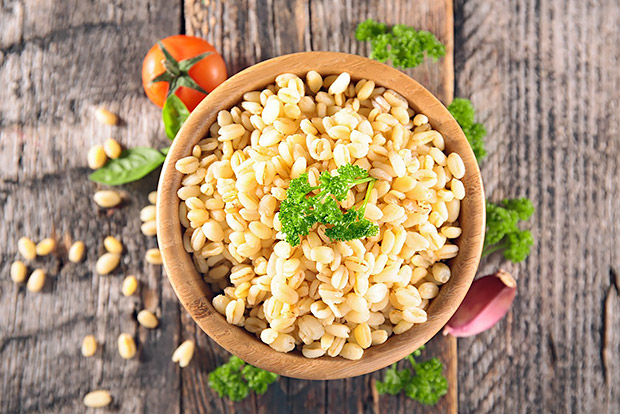
Soluble fiber: Soluble fibers include pectin, beta glucan, gums, and mucilages. They absorb water to form a gel-like substance, which slows digestion. Soluble fiber binds to cholesterol-containing bile acids preventing absorption. As a result it is linked to a reduction in LDL (bad) cholesterol. It has also been found to slow the absorption of sugar in those with type 2 diabetes, which results in better blood glucose control.

Sources: Oat bran, barley, nuts, lentils, beans, peas, apples, pears, and citrus fruits.

Insoluble fiber: Insoluble fibers include cellulose, hemicellulose, and lignin. These fibers add bulk by retaining water. This speeds digestion and prevents constipation.

Sources: Wheat bran, brown rice, broccoli, cabbage, dark leafy greens, and raisins.

Recommended Intake

Most plant-based foods contain both soluble and insoluble fibers. Instead of tracking your intake of each type, health professionals recommend eating a variety of fiber-rich foods to get the soluble and insoluble fiber you need. Adults should aim to get 25 to 35 grams of dietary fiber each day.

Due to fiber’s role in digestion, a rapid increase in intake can result in bloating, cramping, and gas. When adding more fiber-rich foods to your eating plan, gradually add a few grams per week over several weeks until you reach the recommended amount. Increasing your water intake can also help ease the effects of increased fiber.

Fiber and Weight Loss

High-fiber foods have been associated with improved weight loss. These foods often have a texture that requires more chewing, which slows how quickly you finish a meal. Slower eating leads to mindful eating and a feeling of fullness. Many high-fiber foods, such as fruits and vegetables, are also low in calories. Additionally, high-fiber foods may keep you feeling full longer to prevent high-calorie snacking between meals.

6 Ways to Lower Cholesterol through Diet and Exercise

Lower Cholesterol through Diet and Exercise

Research shows that if you are overweight, losing just 5 to 10 percent of your body weight can lower your cholesterol levels. If you are using MyFoodDiary to reach or maintain your healthy weight, you've already taken the first step. Here are more ways you can lower your cholesterol through diet and exercise:

  • Limit saturated fats to less than 7 percent of total calories. Saturated fats are most often found in animal products, such as red meat and butter.

  • Eliminate trans fatty acids from your diet. Trans fats are found in processed foods containing partially hydrogenated vegetable oils. Even foods with less than 0.5 grams of trans fat per serving can be labeled trans fat-free so check ingredient lists and avoid foods with “hydrogenated oil” in the ingredient list.

  • Limit daily cholesterol intake to 300 mg or less. Those who have been diagnosed with heart disease or diabetes should limit cholesterol intake to 200 mg per day.

  • Eat more foods with omega-3 fatty acids, including fish (such as wild salmon and lake trout), flaxseeds, pumpkin seeds, and kale. Research shows that the biggest cholesterol lowering benefit comes with eating fish.

  • Eat more dietary fiber, especially in the form of dried beans, oat bran, barley, eggplant, apples, grapes, strawberries, and citrus. These foods contain soluble fiber, which has been found to lower LDL cholesterol. Adults should eat 20-35 grams of fiber per day.

  • Engage in 30 - 60 minutes of moderate to vigorous physical activity at least five days a week, preferably every day. This amount of exercise has been shown to increase HDL (good) cholesterol levels and lower LDL (bad) cholesterol levels.

Make sure you discuss your plan with your doctor. If you are at high risk for heart disease, your doctor may recommend an approach such as combining lifestyle changes with medication to improve your cholesterol more quickly.

MyFoodDiary.com - Calorie counting made easy
About MyFoodDiary

MyFoodDiary makes counting calories easy. Search from over 80,000 foods.

Learn More
Follow Us on the Web f Facebook
P Pinterest
t Twitter
G+ Google+ Categories Exercise
Lifestyle
MyFoodDiary
Nutrition
Recipes
Weight Loss

RSS Feed