 |
Already a member? Secure Login
|

Calcium Intake & Weight LossQUESTION:
Is all of this hype about dairy and weight loss true? What's the real scoop ANSWER: 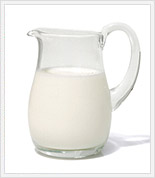 The scientific community cannot say with certainty whether or not calcium can directly affect body weight. Multiple studies have demonstrated a correlation between low calcium intake and increased body weight. However, this correlation does not necessary mean that the low calcium intake caused the increased body weight. For example, it is possible that overall poor nutrition is the actual cause of the increased body weight -- not the lack of calcium in the diet. The scientific community cannot say with certainty whether or not calcium can directly affect body weight. Multiple studies have demonstrated a correlation between low calcium intake and increased body weight. However, this correlation does not necessary mean that the low calcium intake caused the increased body weight. For example, it is possible that overall poor nutrition is the actual cause of the increased body weight -- not the lack of calcium in the diet.One study found no relationship between body weight and consuming calcium at the recommended level. Other studies have assessed whether consuming calcium above the recommended level is correlated with healthier body weights; however, these studies have had conflicting results. Some have shown a loss in body fat and body weight with increased calcium intakes and other studies have shown no relationship between the two variables. What does this information boil down to? As is frequently the case, more research is needed to identify the true nature between calcium intake and weight management. In the meantime, aim for the recommended 3-4 servings of low fat dairy foods daily. This will help ensure that you consume the daily dietary reference intakes for calcium of 1000 mg/dL for individuals between the ages of 19 - 50 years of age, and 1200 mg/dL for individuals between the ages of 50 - 70 years of age.
Our expert, Dr. Sharon E. Griffin, holds a B.S., M.S., and Ph.D. in the areas of exercise science/physiology. She also holds a second M.S. degree in Nutrition and is a licensed nutritionist and an ACSM certified health and fitness instructor.
|







© 2025 MyFoodDiary.com. All Rights Reserved.