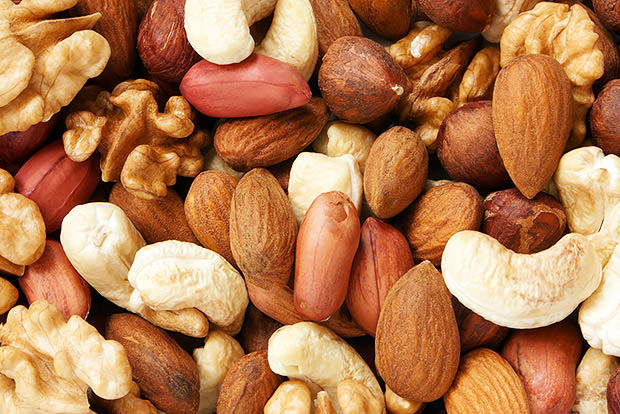
A long, dreary winter can easily get you down, but paying special attention to your food intake may help combat this seasonal slump. Healthy eating has a positive influence on your mood and attitude while reducing stress, anxiety, and the symptoms of depression. Try incorporating healthy foods rich in these nutrients to beat the winter blues.
Tryptophan
Tryptophan is an essential amino acid that is not produced by the body, so it must be consumed from foods. It works with other vitamins and minerals to make serotonin. Low levels of serotonin have been linked to depression, and higher levels of serotonin may help improve mood.
Foods that contain tryptophan: Meat, poultry, dairy, eggs, nuts, and seeds.
Omega-3 Fatty Acids
Omega-3 fatty acids are essential fatty acids found in fish and some plant foods. They are important for the health of the brain and the central nervous system. Mood swings and depression are some of the symptoms associated with omega-3 fatty acid deficiency.
Foods that contain omega-3 fatty acids: Fatty fish such as salmon, lake trout, and sardines, algae, nuts, and nut oils.
Vitamin B12
Vitamin B12 plays a part in the production of brain chemicals that influence mood. Other B vitamins, such as B6 and folate, also play a role, but inadequate B12 intake can be of particular concern for vegans. It’s possible to get the B12 you need, but this vitamin requires special attention when cutting out animal products. Low levels of B vitamins have been linked to depression.
Foods that contain vitamin B12: Lean meats, fish, poultry, dairy, and eggs.
Magnesium
Low magnesium levels in the body are associated with reduced serotonin levels. In addition to eating magnesium-rich foods, you must stay aware of foods and drinks that have been found to lower magnesium, such as excess coffee, soda, salt, and alcohol.
Foods that contain magnesium: Whole grains, nuts, and green leafy vegetables.
Vitamin D
Vitamin D is most often associated with bone health, but levels may also be related to mood disorders. Studies show that low levels of vitamin D are linked to a greater risk for depression. While the easiest way to boost vitamin D is through sunlight, it can also be obtained through food.
Foods that contain vitamin D: Fatty fish like salmon, mackerel, sardines, and herring, fortified dairy, and eggs.
Selenium
Selenium is a mineral that acts as an antioxidant. Lower selenium intake has been linked to poor mood. One study in older adults suggests that adequate selenium intake may reduce the symptoms of depression.
Foods that contain selenium: Seeds, Brazil nuts, fish, shellfish, and whole grains.


 3 Healthy Lunches for Your Work Week
 5 Tips for Stretching Your Budget for Healthy Food
 Best Ways to Reduce Added Sugar
 Healthy Tips to Lighten Up Picnic Foods
 Do You Need to Drink Milk?
 Tips to Keep Track of Water Intake
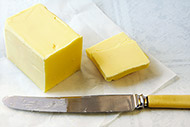 Butter vs. Margarine: What’s the Best Choice?
 Healthy Eating Myths
 Pinterest
 RSS Feed