How the Warm-Up Works
A warm-up not only reduces your risk for injury, but it also helps you burn calories more efficiently due to the increase in your core body temperature. As you gradually ease into movement, your muscles begin to heat up, which increases their elasticity. The blood vessels also dilate, allowing blood to move more freely and deliver oxygen to the heart and muscles. Increased oxygen flow to the muscles facilitates a better supply of energy for exercise. Instead of experiencing a rapid increase in movement and heart rate, as occurs when transitioning from no movement to intense exercise, a warm-up allows the body to prepare for the activity, thereby improving exercise performance.
What to Do to Warm Up
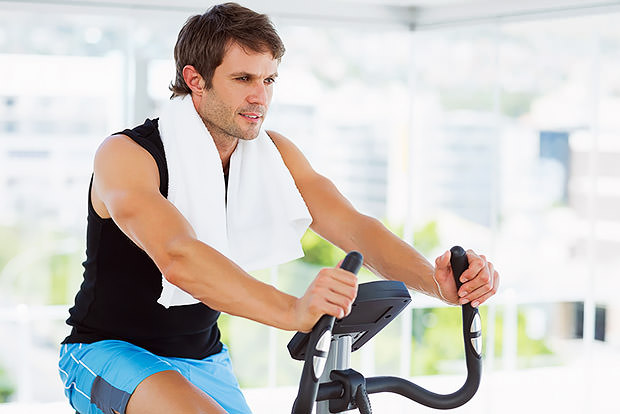
As long as it gradually increases your heart rate and gets the muscles moving, any activity can be used as a warm-up. For strength training, it can be as simple as pedaling on a stationary bike with little resistance. If you are working out at home, try marching in place. Using the same activity you will do for your workout, but at a lower intensity, can also serve as a warm-up. For example, if you are going to run, start the course with a walk or a light jog. If you plan to swim, you can tread water or use a kickboard to take a few slow laps around the pool. Once your body is warm, increase the intensity or resistance and move on to your full workout.
How Long to Warm Up
The length of your warm-up can be influenced by factors such as the time of day, temperature, and the type of exercise. As a general rule, your warm-up should last from 5 to 10 minutes. When you are preparing for a high-intensity workout, plan to do at least a 10-minute warm-up. Your body will benefit from the extra time to work up to a challenging pace. If you exercise first thing in the morning, you may also need a longer warm-up to help increase blood flow. This is also true when exercising in cold weather. It may take your muscles longer to warm up and improve elasticity, allowing for easier movement. Once your heart rate has increased, you are breathing more heavily, and your muscles feel warm and flexible, move on to your workout.


 5 Ways to Burn 300 Calories this Weekend
 The Best Home and Garden Chores for Burning Calories
 5 Tips for Making Exercise a Habit
 Best Ways to Stay Safe during Exercise in Hot Weather
 11 Tips for Exercise Motivation
 Signs You Need to Increase Exercise Intensity
 Essential Gear for Starting an Exercise Program
 Burn Calories in 10 Minutes

 Pinterest
 RSS Feed