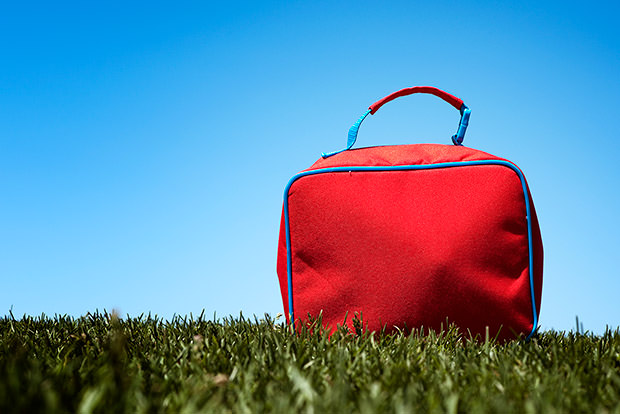
Create a lunch station.
Designate a space in your kitchen that will hold the items you need for packing lunches. Have enough sealable containers that allow you to prepare lunches at least two to three days in advance. Keep thermoses, forks, spoons, napkins, and lunch bags in this designated spot. This prevents wasted time searching for items, making lunch prep go quickly.
Schedule time on Sunday.
Packing healthy lunches takes time, but it is well worth the effort. Schedule an hour or so on Sundays to prepare healthy lunch foods for the week.
- Chop fruit and vegetables and divide servings into sealable containers.
- Bake granola bars or make granola.
- Bake healthier cookies.
- Roast chickpeas .
- Prepare wraps.
- Make pasta salad.
- Cook a pot of healthy soup.
Scale down portions.
Children need fewer servings from each major food group than adults do, and they often eat smaller portions to meet these needs. Pack only what they have time to eat at lunchtime and what they need to feel full. Cut back on portions of salty snacks and desserts, and increase portions of fruits, vegetables, lean protein, and whole grains to improve lunchtime nutrition.
Reduce processed foods.
Packaged snacks like chips, cookies, crackers, and lunch kits are quick and easy, but they are also loaded with empty calories, sodium, unhealthy fats, and sugar. These foods will leave your child with little energy to focus in the afternoon. Fresh fruits and vegetables, low-sugar dried fruits, seeds, whole-grain breads, lean meats, and beans will provide nutrients that support health and learning.
Keep it simple with one-container meals.
If you are stuck in a rut of sandwiches with chips or crackers, consider switching to healthy one-container meals. Healthy fried rice, soups, stews, cold whole wheat pasta, and grain salads, and taco salads are often reserved for dinner. Adding these foods to your lunch rotation helps you cut out the unhealthy chips, crackers, deli meats, and condiments often served with sandwiches.
Pockets and wraps for variety.
Add variety to sandwiches by turning them into wraps or rolls. Layer vegetables, lean meats, beans, cheeses, and low-calorie sauces on whole-wheat tortillas. Roll and cut into bite-size pieces. Layer ingredients inside two smaller tortillas and heat slightly to melt the cheese for a quesadilla. Stuff sandwich fillings into whole-wheat pita bread and cut into quarters.
Get creative with fruits and vegetables.
Make kabobs with a variety of chopped fresh fruits and vegetables. Fill a cored tomato with pasta salad or chicken salad. Make cucumber cups or boats and fill them with hummus. Creating fun ways to serve healthy foods makes nutritious eating more enjoyable.
Keep foods hot and cold.
Whether you send hot or cold food to school, ensuring it stays at the appropriate temperature is important for preventing foodborne illness. Invest in high-quality ice packs, insulated lunch bags, and insulated thermoses. Freeze water bottles or juice boxes to keep lunches cold. Ask if there is a refrigerator at school for storing lunches. Bacteria grow quickly in the danger zone, which is between 40 and 140 degrees Fahrenheit. Cold foods should be kept below this temperature range and hot foods above it.
Sources


 3 Healthy Lunches for Your Work Week
 5 Tips for Stretching Your Budget for Healthy Food
 Best Ways to Reduce Added Sugar
 Healthy Tips to Lighten Up Picnic Foods
 Do You Need to Drink Milk?
 Tips to Keep Track of Water Intake
 Butter vs. Margarine: What’s the Best Choice?
 Healthy Eating Myths

 Pinterest
 RSS Feed