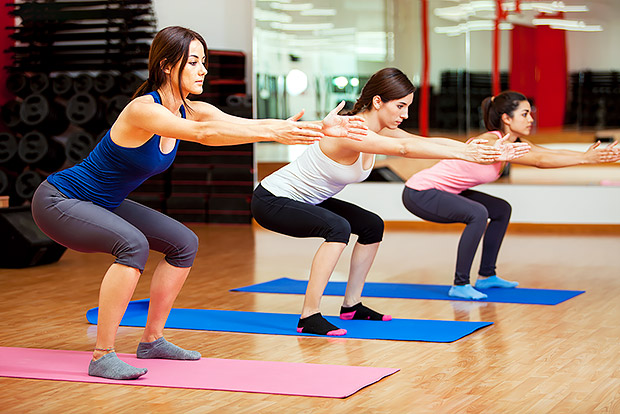
The knee is a complex and resilient joint that can absorb loads greater than four times your body weight. Knees are used in almost every activity, which leaves them vulnerable to injury. This doesn't mean that avoiding activity is the best way to protect knees. Research indicates that exercise helps prevent knee osteoarthritis by maintaining healthy cartilage in the joints. The key is to keep your knees safe during exercise to avoid pain and injury.
Set up machines correctly.
Adjust weight machines according to your body size and strength level. Machines like the leg press, leg extension, and leg curl can stress the knee joint if not adjusted to your individual needs. Request an orientation on all gym equipment before getting started, and take note of the settings so you can adjust the equipment correctly yourself during each workout.
Use correct form.
Squats and lunges are notorious for causing knee pain when performed incorrectly. The general rule has always been to keep the knee from moving forward beyond the toes when squatting or lunging. According to the American Council on Exercise, new recommendations state that it’s more important to hinge the hips by pushing them backward before lowering into the exercise position. The knees should align over the second toe so that the knee moves in the same direction as your ankle joint. Depending on height and limb length, for some people, this may cause the knee to appear to move forward beyond the toes. For these individuals, this is considered a safe movement because keeping the knee further in can increase stress on the lower back.
Be selective about surfaces.
Hard surfaces, such as concrete, can add stress to the knee joint during activities like running, walking, and jumping. Move your workouts to softer surfaces, such as tracks, dirt trails, grass, asphalt, or treadmills, to provide better shock absorption.
Know what you can handle.
Experienced athletes can perform exercises, such as deep knee bends or squats, without adding unnecessary stress to the knee joints. Problems arise when you attempt these exercises before you understand correct form and before you have built the necessary strength to handle the movement. If your goal is to perform more advanced exercises, consider seeking the advice of a trainer to guide you through a program that teaches proper form and gradually builds your strength to meet your goals.
Wear quality shoes.
A quality pair of athletic shoes with good arch support helps with shock absorption and alignment, which protects the knees during exercise. Pay attention to the age of your shoes. Minor knee pain could be an indication that you need a new pair. Experts recommend replacing athletic shoes every 300 to 500 miles or every 3 to 6 months.


 5 Ways to Burn 300 Calories this Weekend
 The Best Home and Garden Chores for Burning Calories
 5 Tips for Making Exercise a Habit
 Best Ways to Stay Safe during Exercise in Hot Weather
 11 Tips for Exercise Motivation
 Signs You Need to Increase Exercise Intensity
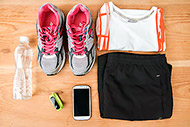 Essential Gear for Starting an Exercise Program
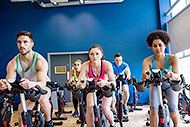 Burn Calories in 10 Minutes

 Pinterest
 RSS Feed