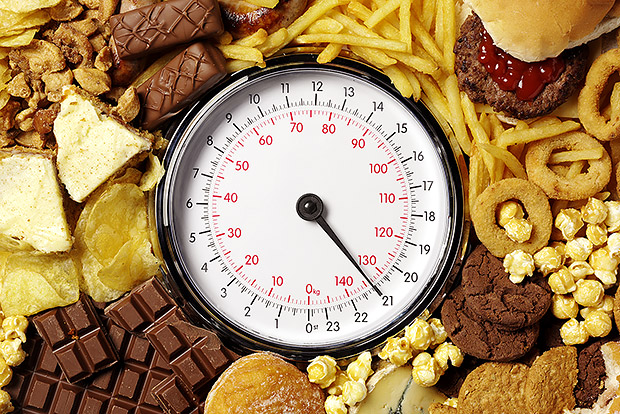
When most people hear "malnutrition," they picture someone who is dangerously thin. That's only half the story — you can carry extra weight and still fall short on the nutrients your body needs. Researchers call this "hidden hunger," and it's more common than you'd think.
What Malnutrition Actually Means
Malnutrition simply means your diet is out of balance. That can mean too little food, but it can also mean plenty of calories paired with too few vitamins and minerals. Three terms help explain how:
- Macronutrients (carbs, protein, and fat) supply your body's energy, measured in calories.
- Micronutrients (vitamins and minerals) don't provide calories, but your body still needs them to function.
- Empty calories come from foods high in calories but low in everything else. Sugary sodas and buttery pastries are classic examples — they provide little health value despite being loaded with calories.
When empty calories crowd out more nutrient-dense foods, you can gain weight while running low on the nutrients you actually need.
Nutrients That Often Fall Short
Calcium. Calcium is the body's most abundant mineral, essential for bones and teeth as well as muscle function, nerve signaling, and blood clotting. If soda has replaced milk in your routine, you may be missing an easy source of calcium, but you can fill the gaps with leafy greens like kale and collard greens, soft-boned fish such as canned salmon, and calcium-fortified foods.
Phytonutrients. These plant compounds aren't essential for survival, but they carry real benefits. Dark, leafy greens supply phytochemicals that help fight inflammation and protect cells from damage, on top of vitamins A and C. Diets built around highly processed food, with little fresh produce, tend to miss out on these protective compounds entirely.
A Simple Fix
You don't have to overhaul your entire diet overnight to improve your nutrition. The most practical fix is one of the simplest: plan your meals ahead of time. A little planning helps you shop with a list, buy nutrient-dense staples like leafy greens, beans, and canned fish while they're on sale, and sidestep the drive-through when hunger strikes and nothing is ready at home. Cooking in batches and keeping quick, healthy options on hand — cut vegetables, hard-boiled eggs, a pot of soup — can make the nutritious choice the convenient one, instead of the other way around.
The Bottom Line
Weight alone doesn't tell you whether someone is well-nourished. It's entirely possible to take in more calories than you need while still falling short on calcium, phytonutrients, and other essential nutrients. Paying attention to where your calories come from — not just how many you eat — is one of the most useful shifts you can make for your long-term health.
Related
Sources
- Harvard Health — Understanding empty calories
- Harvard Health — Nutrition topic overview
- National Institutes of Health — Calcium: Fact Sheet for Health Professionals


 8 Ways to Overcome a Lack of Support for Weight Loss
 6 Tips for Controlling Portions
 Some People Dream of Success
 5 Breakfasts Under 300 Calories
 4 Things to Know About Negative Calorie Diets
 Healthy Ways to Motivate Your Friends
 15 Bites and Nibbles That Keep You From Losing Weight
 Setting New Fitness Goals

 Pinterest
 RSS Feed